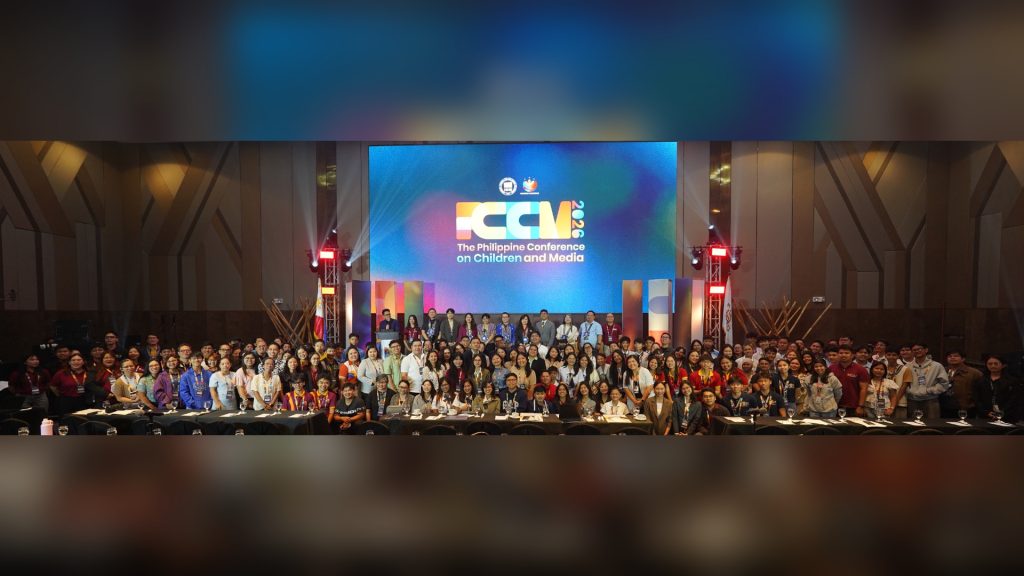
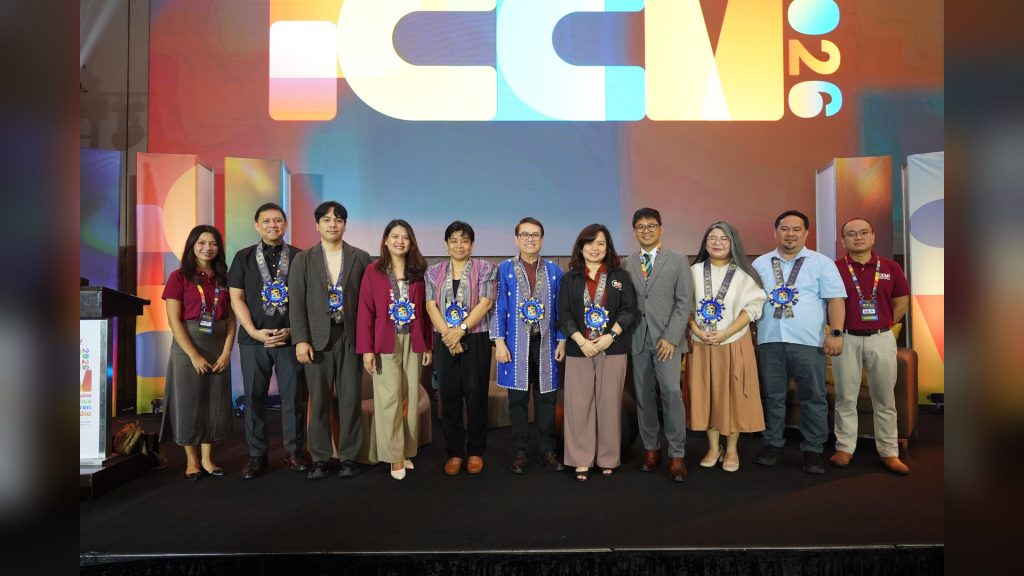
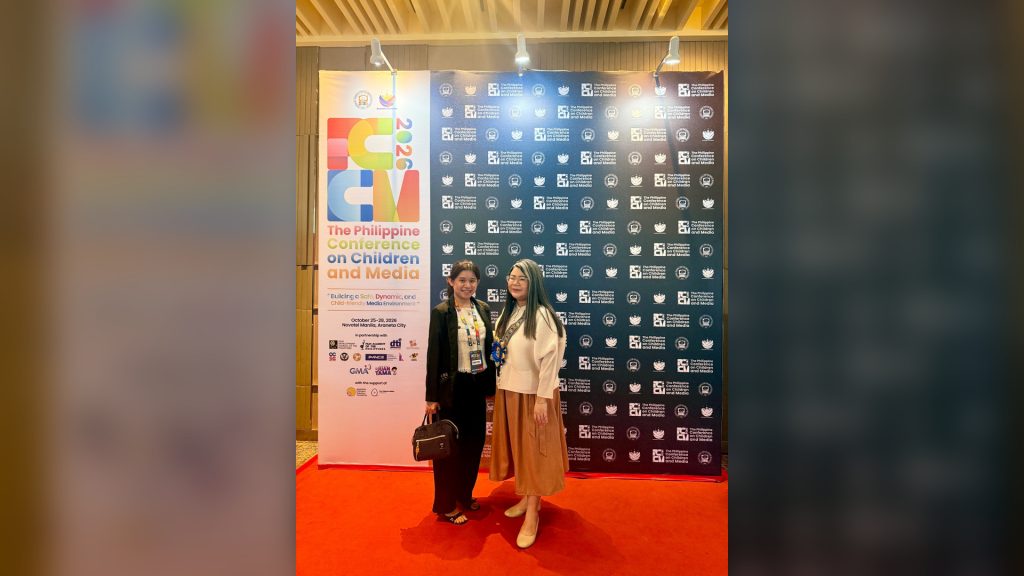
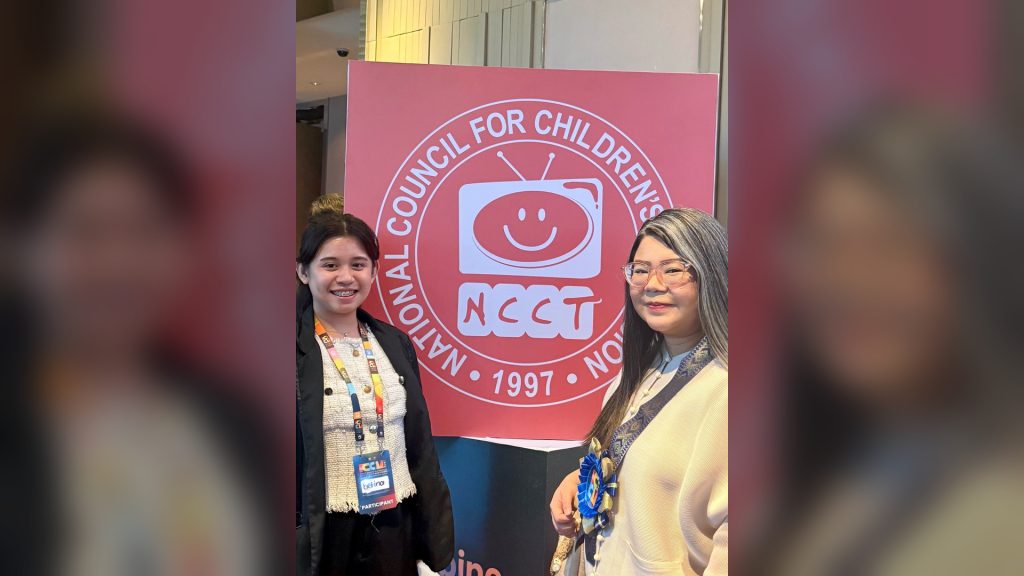
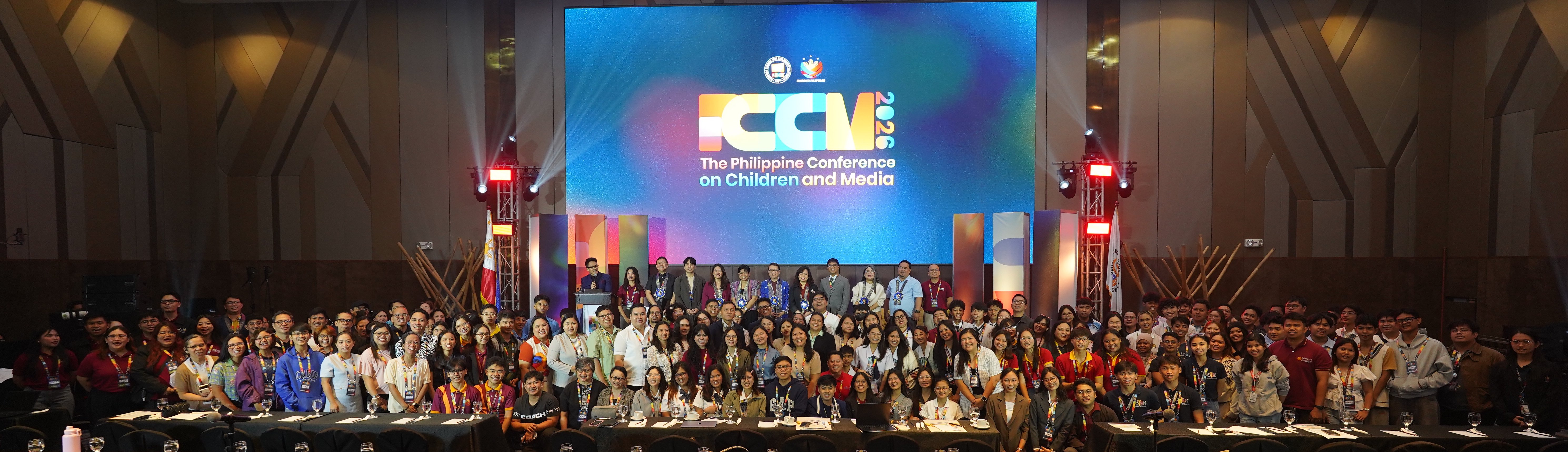
The Asian Institute of Journalism and Communication (AIJC) joined the inaugural Philippine Conference on Children and Media (PCCM) organized by the National Council for Children’s Television (NCCT).
The conference brought together key stakeholders to discuss the role of media in protecting, empowering, and supporting young audiences.
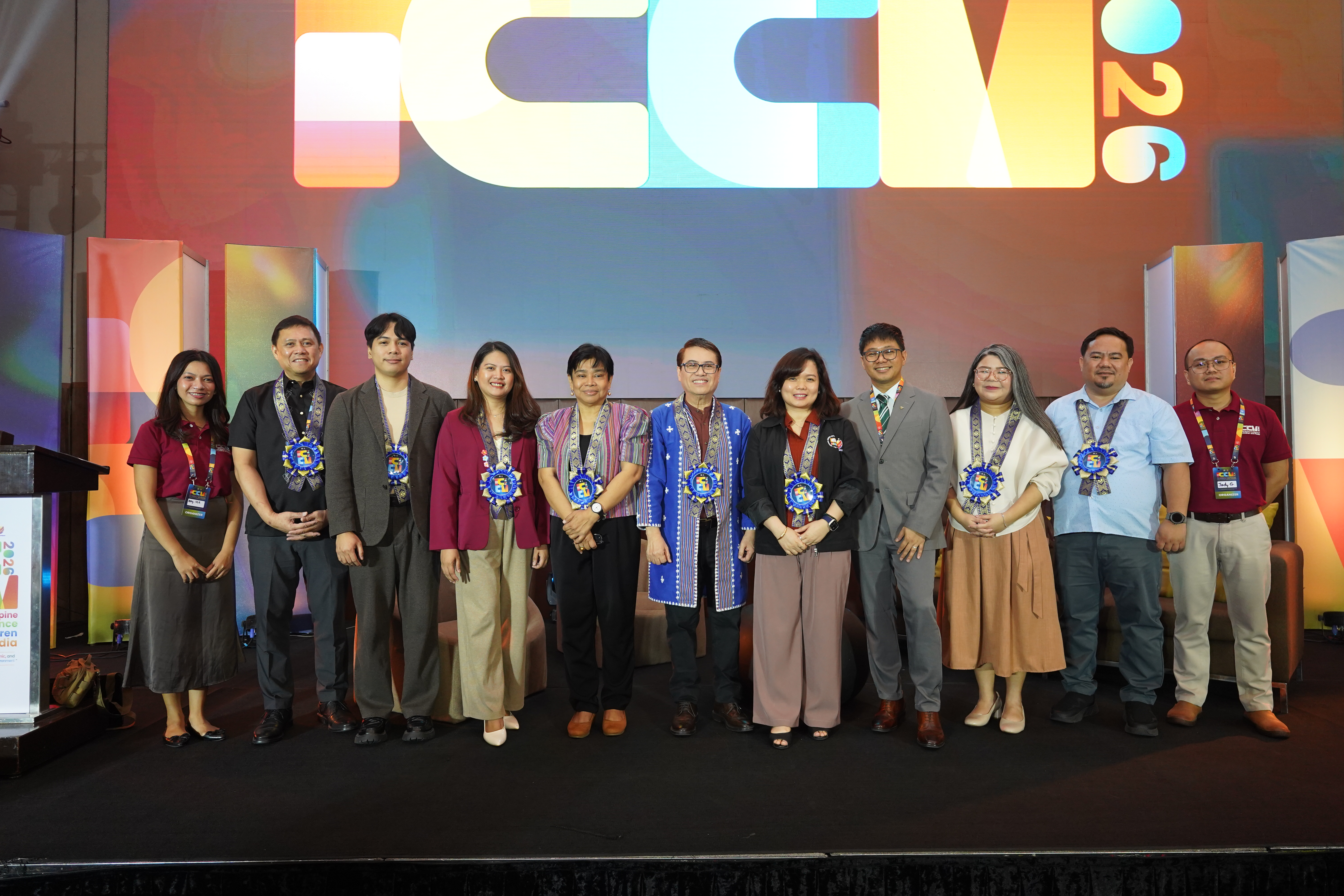
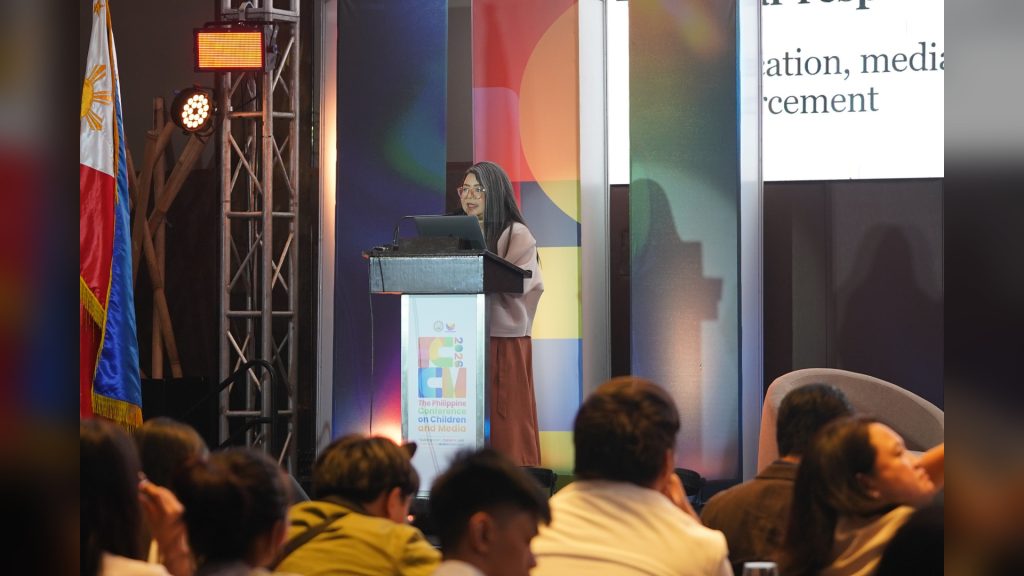
AIJC President Therese San Diego Torres served as one of the speakers during the conference opening, which was held in Quezon City on October 25, 2026.
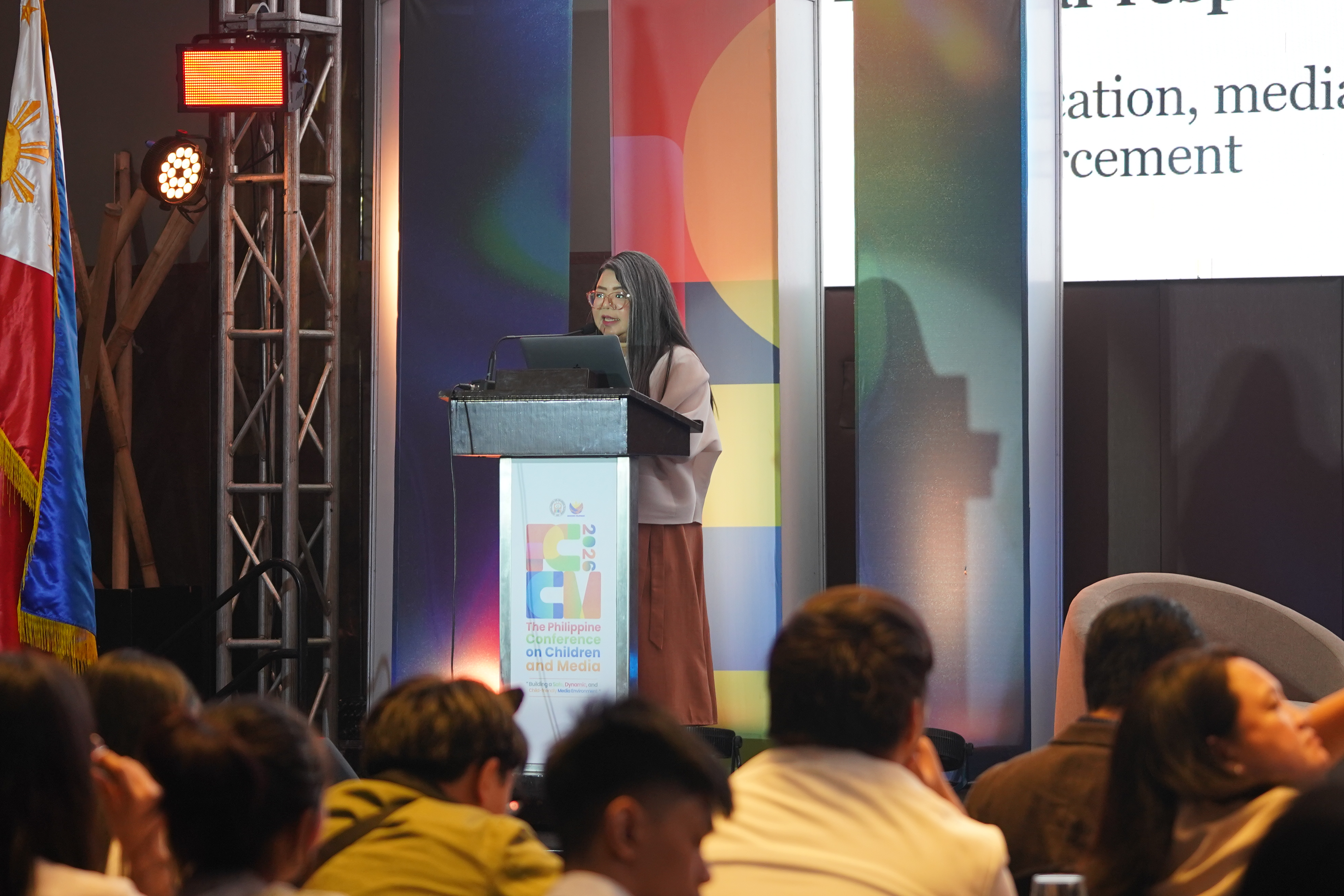
“AIJC has conducted media and information literacy workshops for youth organizations and high school teachers, helping participants evaluate media content critically and navigate the digital information environment,” Torres shared. “But the information environment has changed. Children and adults must now evaluate not only content created and shared by people and institutions, but also information generated, altered, selected, summarized, and recommended by artificial intelligence or AI tools.”
In her presentation, Information Integrity under the ASEAN Work Plan for Information and Media 2026–2035: Implications for Media and Information Literacy, Torres highlighted the growing challenges AI poses to information integrity and the need to strengthen media and information literacy (MIL). She emphasized that building a trusted media environment requires stronger journalism ethics, broader public literacy, responsible media governance, and collaboration across sectors to help people critically engage with information and resist manipulation.
With the theme “Building a Safe, Dynamic, and Child-Friendly Media Environment,” the NCCT, an attached agency of the Department of Education (DepEd), convened the landmark gathering to promote child-friendly broadcasting that supports the holistic moral, cultural, educational, and social development of Filipino youth.
By bringing together diverse stakeholders from the legislative sector, academic institutions, creative industries, local communities, and development organizations, the conference sought to foster sustained multisectoral collaboration. The organizers emphasized that protecting children in today’s digital spaces requires a united effort rather than fragmented interventions, paving the way for comprehensive policies and shared accountability across media platforms.
“The discussions reminded me that children are not merely passive consumers of media but individuals whose perspectives, experiences, and voices deserve to be heard and respected,” said AIJC student Betina Llana, who attended the national summit.
Llana underscored the need for “responsible media practice” that goes beyond simply providing information and extends to promoting and protecting children’s rights, dignity, and welfare.
She added, “I hope to carry these lessons into my future work by contributing to media spaces that are more responsible, inclusive, and mindful of children’s rights, while helping build an environment where young people can participate safely and meaningfully in the digital world.”
Photos courtesy of NCCT and AIJC